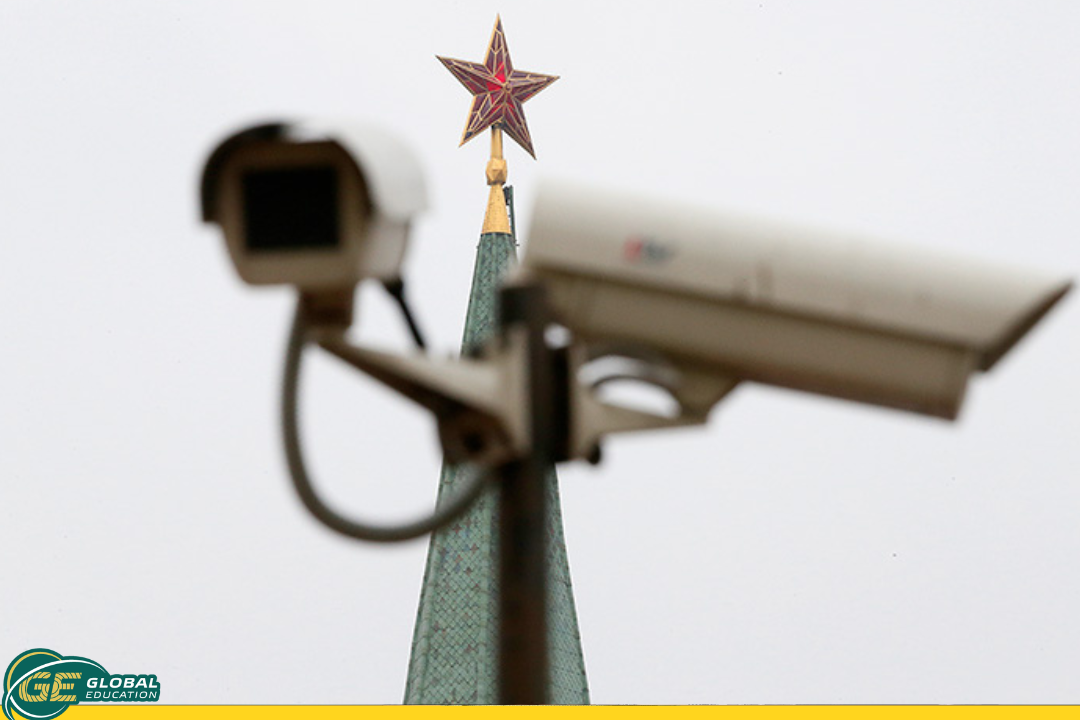
In recent months, popular social media platforms have been flooded with videos where people deliberately leave valuable items—phones, wallets, laptops—in plain sight in public spaces: metro stations, parks, cafes. The concept is simple: test how society will react. The results surprised many—items almost always remain untouched, or passersby simply walk by without attempting to take them. For international viewers and parents of students, this raises questions: why is this happening, and can it be considered an indicator of real safety in Russian cities?
What's the Secret Behind This Honesty?
Cameras and Technology—The New Normal
In recent years, Russian cities have experienced a dramatic growth in video surveillance systems. Moscow alone now operates over 210,000 cameras, which has led to a 32% increase in the detection rate of petty crimes over just two years (data from the Russian Ministry of Internal Affairs). With cameras on every corner, people have become more cautious: many understand that attempting to take someone else's property will be quickly discovered. This works especially well in areas where international students live and study.
Behavioral Culture: Don't Take What's Not Yours
Russia operates under an unspoken rule: "If it's not yours—don't touch it." According to recent VTsIOM polls (2024), 76% of respondents said they would not keep found items but would try to return them to the owner or hand them to a lost and found. This is especially noticeable among young people—on university campuses and in student neighborhoods, this atmosphere of mutual respect is very pronounced.
A Trend the Whole World Is Discussing
Videos testing honesty and discussions around these cases quickly accumulate millions of views. Interest is particularly active from countries where parents traditionally worry about their children's safety abroad. As an example: over the past academic year alone, the number of queries about "how safe are Russian cities for students" from India has increased almost threefold.
Facts and Figures:
- Left valuable items are returned to their owners in 7 out of 10 cases, even in major cities.
- Street crime levels in student neighborhoods have decreased by 27% compared to 2020.
- Moscow's safety index currently stands at 61.3 (higher than in many European metropolises).
International Students Feel Protected Here
Russian universities and cities are traditionally considered open and friendly to foreigners. Students note that they can walk around the city safely, use public transport, and not worry about their belongings. The vast network of cameras, quick response from law enforcement, and the general cultural background create a special sense of security—confirmed by students themselves in numerous social media reviews.
Want to learn more about life and studying in Russia? Don't hesitate—Global Education will explain in detail how safety works, help you choose the right educational program, and support you every step of the way. Write to us with your questions—we're always here to help!